How Each Product Works: Lump-Sum Installment vs. Revolving Credit
A personal loan is an installment loan, which means you receive a lump sum of money upfront and then pay it back in regular, fixed monthly installments over a set term, typically one to seven years. This structure suits planned, one-time expenses since you know exactly how much you'll pay each month until the debt is cleared.
A credit card, by contrast, provides a revolving credit line. You get a credit limit, and you can borrow repeatedly up to that limit, paying off any balance and borrowing again. There's no fixed repayment schedule; you're only required to make a minimum monthly payment, and you can carry a balance from month to month.
- Personal loan: fixed monthly payments, clear end date.
- Credit card: flexible payments, but potential for long-term debt if not paid off.
- Both are typically unsecured, meaning no collateral required, though some lenders offer secured personal loans.
Sources: Consumer Financial Protection Bureau, CNBC Select, Experian, OneMain Financial, Colonial
Cost Comparison: Interest Rates, APR, and Fees
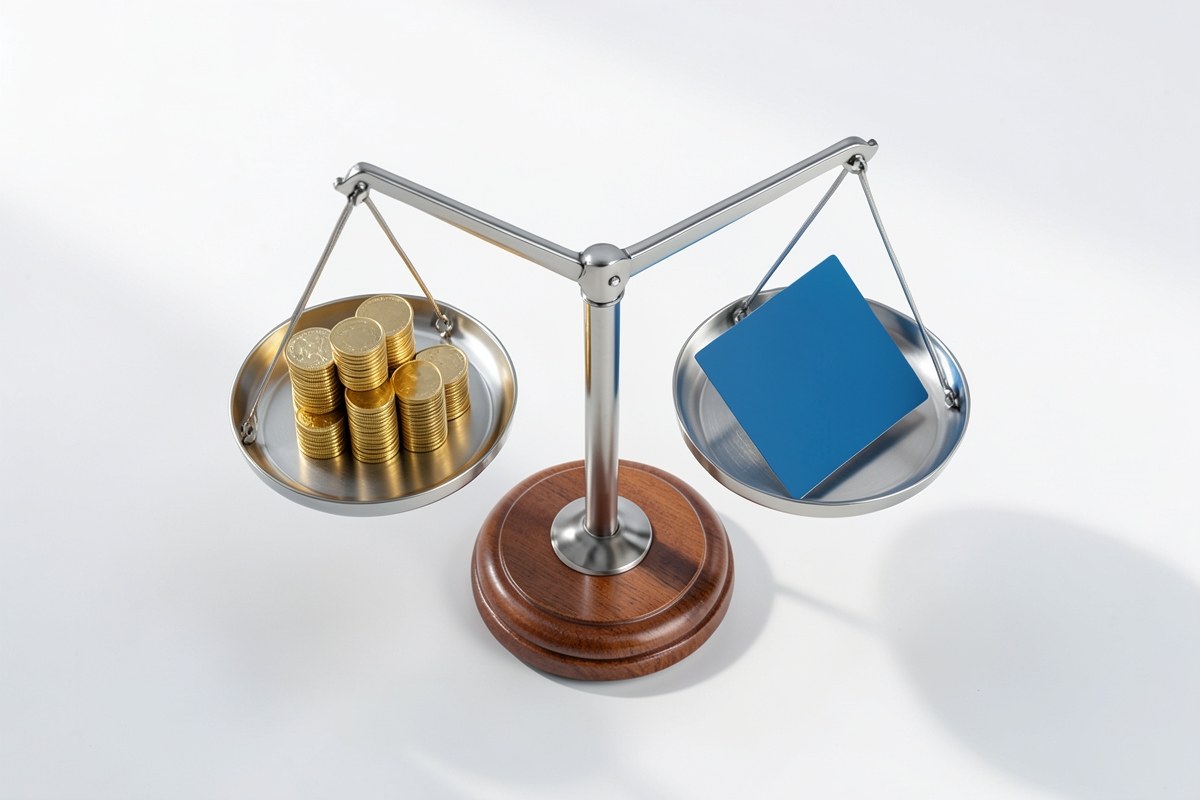
Interest rates on credit cards are generally higher than on personal loans. For example, CNBC Select reports average APRs around 22% for credit cards, compared with approximately 12.4% for personal loans (or 11.4% for 24-month personal loans per Federal Reserve data cited in their article). For consumers with lower credit scores who revolve on credit cards, the average interest rate is between 22% and 24%, according to a CFPB report.
Interest rates on personal loans are typically fixed, while credit card rates are usually variable. This means your personal loan payment stays the same, but your credit card interest can rise with the market.
Fees also differ. Personal loans often have an origination fee, which can be up to 5% of the loan amount. Credit cards commonly have annual fees, late fees, balance transfer fees, and foreign transaction fees.
- Personal loan APR: lower than credit card APR on average, but rates depend on your credit.
- Credit card APR: higher, but you can avoid interest entirely if you pay your balance in full within the grace period, often 21–25 days.
- Watch for fees: origination fees on loans, and various card fees.
Sources: Consumer Financial Protection Bureau, CNBC Select, Experian, OneMain Financial, Colonial
Repayment Structure: Fixed Payments vs. Flexible Minimums
Personal loans come with a clear repayment plan: fixed monthly payments over a predetermined term, usually one to seven years. This forced discipline can help you become debt-free within a specific timeframe, but it doesn't allow flexibility if your cash flow varies.
Credit cards require only a minimum payment each month, which is often a small percentage of your balance. While this flexibility can be helpful, making only minimum payments can extend your debt for years and increase total interest costs.
- Personal loan: convenient for budgeting, but less flexible.
- Credit card: flexible, but you must be careful not to get stuck in a cycle of debt.
- Personal loans lack a grace period, so interest starts accruing immediately upon disbursement; credit cards offer a grace period on new purchases if you pay your balance in full.
Sources: Consumer Financial Protection Bureau, CNBC Select, Experian, OneMain Financial, Colonial
Impact on Credit: Hard Inquiries, Credit Mix, Utilization, and Payment History
Applying for either a personal loan or a credit card typically results in a hard inquiry on your credit report, which can temporarily lower your credit score by a few points.
Both products can help you build credit if you make on-time payments. Payment history is a major factor in credit scores, and consistent, timely payments on either type of account will positively affect your score.
The two types affect your credit differently in other ways: Credit cards affect your credit utilization ratio—the amount of available credit you're using—which is a significant scoring factor. High utilization can lower your score; keeping balances low relative to your limit helps. Personal loans, being installment loans, do not factor into utilization in the same way. They can add to your credit mix, which may benefit your score if you have only one type of credit account.
- Hard inquiries: both trigger them, impact typically small and temporary.
- Payment history: on-time payments on either help your scores.
- Credit utilization: credit card balances influence utilization; personal loan balances do not.
- Credit mix: having both installment and revolving accounts can be a plus.
Sources: Consumer Financial Protection Bureau, Experian, OneMain Financial, Colonial
Credit Products Comparison Table
The table below summarizes key differences between personal loans and credit cards. Note that terms and rates vary widely by lender and your credit profile.
| Option | Category | Type of credit | Access to funds | Interest rate type | Repayment schedule |
|---|---|---|---|---|---|
| Personal Loan | Credit product | Installment loan | One-time lump sum | Typically fixed | Fixed monthly payments over set term (e.g., 1-7 years) |
| Credit Card | Credit product | Revolving line of credit | Reusable credit line up to limit | Usually variable | Minimum monthly payment required; can carry balance indefinitely |
Sources: CNBC Select, Experian, OneMain Financial, Colonial, Consumer Financial Protection Bureau
Best Uses for a Personal Loan
Personal loans are well-suited for large, one-time expenses or debt consolidation. If you have the need for a specific amount of money, such as for a medical procedure, home repair, or wedding, a personal loan provides the funds upfront and a fixed repayment plan.
Debt consolidation is a common use. Since personal loan rates are often lower than credit card rates, you can use a personal loan to pay off multiple credit card balances and potentially reduce your overall interest cost. This strategy can also simplify payments into a single monthly bill.
Additionally, using a personal loan to pay off credit card debt can lower your credit utilization ratio, which may benefit your credit score—as long as you don't rack up new card balances.
- Debt consolidation
- Major purchases (e.g., car repairs, medical bills)
- Large planned expenses (e.g., wedding, home improvement)
- Refinancing higher-interest debt
Sources: CNBC Select, Experian, OneMain Financial, Colonial, Consumer Financial Protection Bureau
Best Uses for a Credit Card
Credit cards are generally better for smaller, everyday, or unpredictable expenses, especially if you pay your balance in full each month to avoid interest. Because you can borrow repeatedly up to your limit, cards offer flexibility for ongoing or variable spending, and you can take advantage of the interest-free grace period if you pay your entire balance on time.
Many credit cards also offer rewards such as cash back, points, or miles, which can make them attractive for regular purchases. Credit cards can also be useful in emergencies when you need quick access to funds, but they are best used when you have a plan to pay off the balance promptly.
- Everyday purchases (groceries, gas, dining)
- Online shopping with buyer protections
- Building credit through responsible use
- Emergency purchases when you can pay it off quickly
Sources: CNBC Select, Experian, OneMain Financial, Colonial
Deciding Factors to Help You Choose
Choosing between a personal loan and a credit card depends on your specific financial situation and the purpose of the borrowing. Consider the following factors:
If you need a substantial amount of money for a one-time project or to consolidate existing high-interest debt, a personal loan often provides a lower interest rate and a fixed repayment schedule that can help you pay off the debt in a structured way.
If your borrowing needs are ongoing or unpredictable, a credit card offers flexibility and the opportunity to avoid interest entirely when you pay in full. Rewards programs can also be a benefit, but only if you're disciplined in paying off your balance. If you tend to carry a balance, the higher interest rates on credit cards can quickly make them expensive.
- Repayment style: do you prefer fixed, predictable payments (loan) or flexible minimums (card)?
- Cost: compare APRs, but also factor in any fees. Personal loans usually have lower rates, but watch for origination fees.
- Speed: credit cards provide ongoing access; personal loans require a new application each time.
- Rewards: if you value rewards and can pay in full, credit cards may offer an extra benefit.
Sources: Consumer Financial Protection Bureau, CNBC Select, Experian, OneMain Financial, Colonial
Frequently asked questions
Which has lower interest rates, personal loans or credit cards?
Personal loans generally have lower annual percentage rates (APRs) than credit cards. CNBC Select reports average credit card APRs around 22%, while personal loan APRs average around 12.4%. For consumers with lower credit scores who carry balances on credit cards, average rates are even higher, between 22% and 24%, according to a CFPB report. However, the rate you qualify for depends on your creditworthiness, and personal loans may have origination fees that add to the cost.
Sources: CNBC Select, Consumer Financial Protection BureauHow does each affect my credit score?
Both can help or hurt your credit depending on how you manage them. Applying for either results in a hard inquiry that typically lowers your score by a few points temporarily. Making on-time payments on either account helps build a positive payment history, which is a major scoring factor. The main difference is that credit card balances affect your credit utilization ratio, while personal loan balances do not. High credit card utilization can lower your score; keeping balances low can help. Also, having both installment loans and revolving credit can improve your credit mix.
Sources: Experian, OneMain Financial, ColonialCan I use a personal loan to pay off credit card debt?
Yes. Using a personal loan to consolidate credit card debt is a common strategy. Because personal loan APRs are often lower than credit card rates, you could reduce the overall interest you pay. Additionally, paying off credit card balances with a loan can lower your credit utilization ratio, which may improve your credit score, provided you don't run up new card balances. It's essential to compare the total cost, including any loan origination fee, against the interest you'd otherwise accrue on cards.
Sources: CNBC Select, Experian, OneMain Financial, ColonialWhich is better for a large one-time expense?
A personal loan is generally better for a large, one-time expense because it provides a lump sum upfront and a fixed repayment plan, which can make budgeting easier. The interest rate is typically lower than a credit card's, and you won't be tempted to overspend beyond the amount you borrowed. For planned, sizable purchases, a personal loan is usually the more cost-effective choice.
Sources: CNBC Select, Experian, OneMain Financial, ColonialSources
- Getting a credit card and using it wisely — Consumer Financial Protection Bureau
- Cosigning loans and sharing credit — Consumer Financial Protection Bureau
- Differentiating secured and unsecured loans — Consumer Financial Protection Bureau
- Credit Cards vs. Personal Loans: Which Is Better? — CNBC Select
- Personal Loan vs. Credit Card: What’s the Difference? — Experian
- Personal Loan vs. Credit Card - What's Right for Me? — OneMain Financial
- Personal Loans vs. Credit Cards: What's Best for Big Expenses? — Colonial
- Consumer Use of Buy Now, Pay Later — Consumer Financial Protection Bureau
- The Consumer Credit Card Market 2017 — Consumer Financial Protection Bureau